Easy-to-Install Garage Door Accessories for Beginners

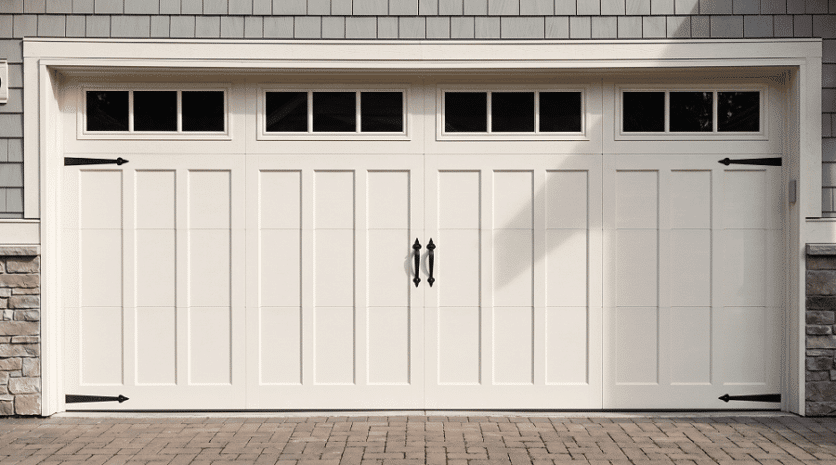
A garage door is one of those parts of a home that gets ignored until it becomes inconvenient. It opens, it closes, and most people stop thinking about it there. Then the first power outage hits, the remote goes missing, the bottom seal starts letting in leaves and rain, or the garage feels like a dim storage cave every time you step inside. That is usually the moment homeowners start looking at Garage Door Accessories and realizing how much small upgrades can improve day to day use.
The good news is that many of the most useful accessories do not require advanced tools, rewiring, or a service call. If you can measure carefully, use a drill, and follow instructions without rushing, you can handle quite a few beginner-friendly upgrades in an afternoon. The key is knowing which accessories are genuinely simple, which ones only look simple on the box, and where not to overreach.
I have seen plenty of people make the same mistake: they start with a project that touches the spring system or opener wiring beyond their comfort level, get frustrated, and assume every garage door improvement is complicated. It is not. The easier wins are usually around visibility, convenience, weather protection, and organization. Those upgrades offer a noticeable payoff without putting you in a position where one wrong move can create a safety issue.
Start with the garage door you already have
Before buying anything, spend ten minutes looking at your current setup. Is your door manually operated or connected to an opener? Do you have a steel sectional door, a wood door, or an older one-piece door? Is the garage attached to the house or detached? Does the space get damp, dusty, or very cold?
Those details matter because beginner-friendly Garage Door Accessories tend to fall into different categories. Some improve access, like keypads and extra remotes. Others make the garage more comfortable, like insulation kits and weather seals. A few improve safety or practicality, such as motion lights, parking aids, and wall controls with lock functions.
If your door is already noisy, jerky, off-balance, or hard to open, that is a sign to pause. Accessories can improve function, but they do not solve a failing door system. Worn rollers, frayed cables, misaligned tracks, and spring problems should be handled first. A new keypad will not make an unhealthy door safer.
The easiest upgrades tend to solve everyday annoyances
Most beginners do best when they pick an accessory tied to a repeated frustration. That sounds obvious, but it keeps you from buying gadgets you will stop using a month later.
If you are tired of backing into storage bins because the garage is too dark, lighting is the right first project. If water, dust, or cold air blow in under the door, focus on weather sealing. If your family keeps forgetting remotes or locking themselves out during walks, a wireless keypad makes more sense than anything else. Practical upgrades last because they remove a small annoyance you face every week.
What follows are the accessories I recommend most often to beginners because they are useful, realistic to install, and hard to regret.
Wireless keypads are one of the best first upgrades
A wireless garage door keypad is probably the most approachable accessory on the list. Most models mount outside the garage with screws, pair to the opener with a simple programming sequence, and let you open the door using a personal code. For families with kids, runners, dog walkers, or anyone who sometimes steps outside without keys, that convenience is hard to overstate.
Installation is usually straightforward. You choose a mounting spot near the door frame, high enough to avoid casual tampering but low enough to use comfortably. Then you pair it to your opener according to the manufacturer’s instructions. On newer systems, that often means pressing a learn button on the opener motor unit and then entering your code at the keypad.
The main trade-off is compatibility. Not every keypad works with every opener brand, and compatibility gets murkier with older units. It is worth checking the model number of your opener before ordering. I have seen people buy a keypad because the listing said “universal,” only to discover that their older opener was left out in the fine print.
Weather exposure also matters. A keypad on a south-facing wall in a hot climate can take a beating over time. In those cases, look for a model with a protective cover and solid weather resistance. It may cost a little more, but the buttons usually hold up better.
Extra remotes are simple, but quality matters
An extra remote is not exciting, though it is often one of the most useful Garage Door Accessories you can buy. If your household shares vehicles, or if one remote always seems to vanish into a gym bag or center console clutter, adding one or two more makes life easier immediately.
Programming is usually simple. Many modern remotes pair the same way keypads do, through the opener’s learn function. The challenge is avoiding cheap generic remotes that promise broad compatibility but have inconsistent range or unreliable button response. For something used multiple times a day, reliability matters more than saving a few dollars.
There is also a practical security angle here. If you move into a house and the previous owner left old remotes behind, you should clear the opener’s memory and reprogram only the remotes you control. That step gets overlooked surprisingly often. People change locks on front doors but forget that an old garage remote may still open the house.
Weather seals are inexpensive and deliver fast results
Few accessories improve a garage as quickly as a fresh bottom seal or new weatherstripping around the frame. If you notice daylight at the edges, wind pushing in dust, or water creeping under the door during heavy rain, sealing is usually the place to start.
Bottom seals vary by door style. Some slide into retainers on the underside of the door, while others attach differently depending on the manufacturer. Side and top seals, often called stop molding or perimeter weatherstripping, mount around the door opening and compress when the door closes.
This is beginner-friendly work, but it rewards patience. The biggest mistake is not measuring carefully. If the seal is too Garage Door Accessories short, you waste time and money. If it is too thick or mounted poorly, the door may not close cleanly. Another common issue is trying to install new perimeter seal against warped wood trim that should really be repaired first.
When done properly, fresh seals can reduce drafts, keep out pests, and make the garage noticeably cleaner. In colder climates, homeowners often describe the difference as modest but real. It will not turn an uninsulated garage into conditioned living space, but it can stop that sharp line of cold air you feel near the floor.
Motion-sensor lighting makes the garage easier to use
Good lighting changes how a garage feels. A dark garage encourages clutter because people avoid spending time in it. Add motion-sensor lighting, and the space becomes more functional almost overnight.
For beginners, battery-powered or plug-in motion lights are the easiest route. They avoid the complexity of running new electrical lines and can be placed where factory opener lights never reach. Above a side entry door, over a workbench, or near storage shelves are all smart locations.
Rechargeable LED units have improved a lot in the last few years. Some hold a charge well and produce enough light for practical tasks, not just a faint glow. That said, not all advertised lumen ratings feel equal in real-world use. A light that seems bright in product photos may still fall short in a garage filled with dark shelving and stored items. When in doubt, buy slightly brighter than you think you need.
Motion settings are worth paying attention to. Too sensitive, and the light triggers every time a car passes outside. Not sensitive enough, and you end up waving your arms just to find the snow shovel. Placement solves many of these complaints, more than the light itself.
Parking aids are surprisingly helpful in tight garages
Some people think parking guides are only for nervous drivers, but I have installed or recommended them for experienced drivers with compact garages, oversized vehicles, and shelves that sit just a bit too close to the bumper. When space is limited, consistency matters more than skill.
A beginner has a few easy options. Adhesive floor stops, hanging tennis-ball style guides, and laser parking aids all exist. The simplest tends to be the floor stop, especially in a single-driver garage. Once you position it correctly, you drive until the tire meets the stop and you know you are in the right place.
Laser systems can be useful too, though they depend more on precise placement and battery maintenance. Hanging guides are cheap and effective, but some homeowners dislike the look. This is one of those accessories where function should take priority. If the garage is narrow and one wrong stop point means you cannot open the freezer or squeeze past the car door, a parking aid earns its spot quickly.
Insulation kits are doable, but expectations need to stay realistic
Garage door insulation kits are often marketed as quick transformations. They can help, but the effect depends heavily on the door you start with, your climate, and how airtight the garage already is.
For a standard metal sectional door, foam panel kits or reflective insulation systems can usually be installed by a careful beginner. The process often involves cutting panels to fit each section and securing them in place with clips or adhesive. It is manageable work, though a bit more time-consuming than people expect.
The payoff is usually better comfort, reduced radiant heat transfer, and sometimes quieter door operation due to added mass and damping. But insulation alone does not solve everything. If the side seals are worn and there is a half-inch gap at the bottom, the results will disappoint. The best outcomes come when insulation is paired with decent sealing.
Added weight is another factor. Most DIY insulation kits are designed to stay within acceptable limits, but not every opener and spring system responds the same way. If your door already strains to open, adding insulation before addressing that issue is not wise.
Smart garage door controllers can be beginner-friendly, with one caveat
A smart controller lets you check door status and open or close the garage from a phone app. For many homeowners, that is not a luxury item, it is peace of mind. If you have ever driven halfway to work wondering whether you left the garage open, you understand the appeal immediately.
Some smart controllers are designed as retrofit add-ons and are fairly easy to install. They usually connect to the opener, pair with home Wi-Fi, and use a sensor to detect whether the door is open or closed. For someone comfortable with basic setup and smartphone apps, this can be a very manageable project.
The caveat is compatibility and home network stability. Older openers, proprietary wall controls, and weak garage Wi-Fi can all complicate the job. I have watched straightforward installs turn into troubleshooting sessions because the controller worked perfectly at the opener but lost signal through one insulated wall and a metal cabinet.
If your Wi-Fi is weak in the garage, solve that first or choose a system known to handle marginal signal conditions well. A smart accessory is only helpful if it works every time.
A few accessories are easy to install and worth considering first
The most reliable beginner projects share two qualities: they improve daily use, and they stay clear of the high-tension parts of the door system.
- Wireless keypad
- Extra remote controls
- Bottom or perimeter weather seals
- Motion-sensor garage lighting
- Parking aid for vehicle alignment
That short list covers the majority of what first-time DIY homeowners actually appreciate after installation. None of them require tampering with torsion springs, lift cables, or track geometry, which is exactly why they are good starting points.
What to avoid if you are brand new
It helps to say this plainly: not every garage door project belongs in beginner hands. Some tasks sound simple when packaged as home maintenance, but they involve stored mechanical energy or safety settings that deserve respect.
Spring replacement is the obvious one. Torsion and extension springs can cause severe injury if handled incorrectly. Cable replacement also falls into this category, as does major track adjustment. Even opener force and travel adjustments should be approached carefully if the manual is unclear or the door already behaves unpredictably.
I have also seen beginners replace rollers without understanding the difference between lower rollers and those connected near cable brackets. That is the kind of detail that matters more than the project description suggests. There is a big difference between “roller replacement” in general and safely handling specific hardware locations on a loaded system.
When in doubt, keep your DIY work focused on accessories that mount around the system, not inside its critical mechanics.
The installation mindset matters as much as the accessory
The people who have the smoothest experience with Garage Door Accessories are not always the handiest. They are usually the ones who slow down enough to measure, test, and stage the job properly.
Set aside more time than the packaging suggests. A “15-minute install” often means 15 minutes for someone who already knows the opener brand, has the right bit in hand, and is not stopping to read the troubleshooting section. For most beginners, doubling that estimate is realistic and keeps frustration low.
Use a stable ladder. Keep fasteners in a tray or small container. Take a photo of the existing setup before removing anything. If the accessory needs batteries, install fresh ones from the start instead of using leftovers from a drawer. Small habits like that prevent the kind of avoidable false alarms that make people think they installed something wrong.
Here is the basic pre-install check I recommend before starting any simple accessory project:
- Confirm the accessory is compatible with your door or opener model.
- Read the full instructions once before opening hardware bags.
- Measure the mounting area or door dimensions carefully.
- Test the garage door’s basic operation before and after installation.
- Keep clear of springs, cables, and moving sections while working.
That checklist is not glamorous, but it saves people from most of the common beginner mistakes.
Cost, value, and where beginners usually overspend
Many first-time buyers assume the most expensive accessory is the safest choice. In practice, value depends more on fit than price. A mid-range keypad from a trusted opener brand is often a better purchase than a premium-looking universal model with mixed reviews. The same applies to weather seals, lighting, and smart controls.
Beginners also tend to overspend on bundled “garage upgrade” kits that include accessories they do not need. A better approach is to fix one problem at a time. Spend $30 to $70 on a good seal if the garage leaks air. Spend another $25 to $60 on an extra remote if access is the hassle. Add lighting where the darkness actually slows you down. Incremental improvements often produce a better garage than one large impulse purchase.
There is also value in choosing accessories you can service easily later. A battery-powered motion light is simple to replace. A standard keypad from the same brand as your opener is easier to troubleshoot than an off-brand device with vague instructions. For beginners, serviceability is part of quality.
The best first project depends on the garage
A detached garage in a rainy climate benefits most from sealing and lighting. An attached garage used as the main family entry may gain more from a keypad and smart controller. A crowded suburban garage with inches to spare around the car often gets the biggest benefit from parking aids and brighter task lighting.
That is why broad advice about Garage Door Accessories can only go so far. The right first upgrade is the one that solves the problem you notice every week. If you choose based on your actual routine instead of what seems flashy online, you are much more likely to end up with a garage that works better, not just one with more gadgets attached to it.
Beginner-friendly upgrades should leave you feeling more confident, not less. Pick an accessory with a clear purpose, check compatibility, install it carefully, and test it thoroughly. That simple approach turns the garage from an afterthought into a more useful part of the house, one small improvement at a time.
Select Garage Doors
11479 Pine Dr, Parker, CO 80134, United States
+1 303-228-0018
FAQ About Garage Door Accessories
What are garage door parts called?
Common door components include panels, hinges, rollers, tracks, springs, cables, and weather seals. The opener is a separate operating system, with accessories such as remotes, keypads, and compatible smart controls. Identify the door and opener model before choosing a part; springs, cables, and other loaded components should be assessed and serviced by a trained garage door technician.
What garage door supplies do I need?
The right supplies depend on the problem or upgrade you want to address. Common accessories include replacement remotes, wireless keypads, weather seals, decorative handles and hinges, and compatible smart controls. Check model compatibility and the manufacturer's instructions before buying. A technician can inspect the system and recommend suitable accessories without replacing otherwise serviceable equipment.
Where can I find garage door accessories in Parker?
Select Garage Doors supplies and installs garage door accessories for Parker homeowners. Contact the company with your opener brand and model, door details, and the upgrade you want so it can confirm compatibility, availability, pricing, and installation requirements. Confirm collection or appointment arrangements before visiting.